How we review this category
An air purifier should be evaluated based on its Clean Air Delivery Rate (CADR) in CFM or m3/h, its filtration standard (such as True HEPA or higher), noise levels, filter replacement costs, and sensor feedback rather than generic health or wellness claims. Purifier-fan hybrids belong here only when the purification hardware is explicit; fan airflow or bladeless design alone is not enough.
In Air Purifiers, the verdict shifts most around CADR and room fit, Filtration standard and stages, Noise and sleep mode and Filter life and running costs.
What we review in this category
For air purifiers we review documented evidence around CADR, room fit, filtration, noise, sleep mode, maintenance, sensors, smart controls, hybrid functions, price, and user feedback when useful.
Cadr and room fit
Weight 24%. Clean Air Delivery Rate (CADR) determines if the unit can clean air fast enough for the target room volume.
See technical evidence we review
Technical measures
- Documented values for CADR m³/h or CFM, room size, HEPA/H13/H14, activated carbon, pre-filter, dB(A), sleep mode, filter life/cost, PM2.5/VOC sensors, auto mode and app.
- Compatibility limits, included parts, operating modes, upkeep, and running-cost evidence.
Reading context
- The same headline number is read with room size, climate, noise tolerance, and maintenance friction.
Common cautions
- Generic comfort or efficiency claims are treated cautiously without units or documented behavior.
Filtration standard
Weight 22%. The presence of True HEPA (H13/H14) and activated carbon dictates what particles the purifier can actually capture.
See technical evidence we review
Technical measures
- Documented values for CADR m³/h or CFM, room size, HEPA/H13/H14, activated carbon, pre-filter, dB(A), sleep mode, filter life/cost, PM2.5/VOC sensors, auto mode and app.
- Compatibility limits, included parts, operating modes, upkeep, and running-cost evidence.
Reading context
- The same headline number is read with room size, climate, noise tolerance, and maintenance friction.
Common cautions
- Generic comfort or efficiency claims are treated cautiously without units or documented behavior.
Noise and sleep mode
Weight 16%. Purifiers run continuously; noise levels at low fan speeds determine suitability for bedroom or office environments.
See technical evidence we review
Technical measures
- Documented values for CADR m³/h or CFM, room size, HEPA/H13/H14, activated carbon, pre-filter, dB(A), sleep mode, filter life/cost, PM2.5/VOC sensors, auto mode and app.
- Compatibility limits, included parts, operating modes, upkeep, and running-cost evidence.
Reading context
- The same headline number is read with room size, climate, noise tolerance, and maintenance friction.
Common cautions
- Generic comfort or efficiency claims are treated cautiously without units or documented behavior.
Maintenance and running cost
Weight 14%. Filter replacement costs and power draw represent the true long-term investment for the buyer.
See technical evidence we review
Technical measures
- Documented values for CADR m³/h or CFM, room size, HEPA/H13/H14, activated carbon, pre-filter, dB(A), sleep mode, filter life/cost, PM2.5/VOC sensors, auto mode and app.
- Compatibility limits, included parts, operating modes, upkeep, and running-cost evidence.
Reading context
- The same headline number is read with room size, climate, noise tolerance, and maintenance friction.
Common cautions
- Generic comfort or efficiency claims are treated cautiously without units or documented behavior.
Sensors and smart features
Weight 10%. Automatic adjustments based on real-time air quality sensors improve efficiency and user experience.
See technical evidence we review
Technical measures
- Documented values for CADR m³/h or CFM, room size, HEPA/H13/H14, activated carbon, pre-filter, dB(A), sleep mode, filter life/cost, PM2.5/VOC sensors, auto mode and app.
- Compatibility limits, included parts, operating modes, upkeep, and running-cost evidence.
Reading context
- The same headline number is read with room size, climate, noise tolerance, and maintenance friction.
Common cautions
- Generic comfort or efficiency claims are treated cautiously without units or documented behavior.
Hybrid fan function
Weight 14%. The score measures how convincingly the declared product format serves its target user. A focused purifier can score as highly as a hybrid; extra functions earn credit only when their performance and upkeep are well evidenced.
See technical evidence we review
Technical measures
- For fan hybrids, document airflow, oscillation, controls, and replacement filters without treating airflow as CADR.
- For humidifier hybrids, document tank capacity, humidification coverage, scale, pump, deep-clean, drying, hygiene, and filter replacement.
Reading context
- A focused purifier can achieve the highest band without a secondary climate function. Added functions matter only after physical purification is established and the buyer accepts their route-specific upkeep.
Common cautions
- Fan-only or humidifier-only products remain outside the air-purifier category even when they use premium styling, UV water treatment, or smart controls.
Editorial judgement still leaves room for incomplete documentation, weak claims, or practical friction that a spec table does not fully capture. Fan airflow never substitutes for CADR, and humidifying hybrids must expose water-system maintenance.
Which buyer routes change the verdict
We do not score every option through one fixed lens: Allergy & HEPA Filter, Pet & Odor Carbon Filter, Quiet Bedroom Purifier and Large Room High CADR change the priorities, so a strong recommendation for one route can be the wrong fit for another.
Signals that separate strong picks from weak ones
We pay close attention to the visible signals that usually decide the shortlist: CADR rating, HEPA filter class, Stated coverage area and Noise level.
- CADR and room fit: Clean Air Delivery Rate (CADR) determines if the unit can clean air fast enough for the target room volume.. cadr CFM or m3h, stated coverage area, air changes per hour and fan speed capacity
- Filtration standard and stages: The presence of True HEPA (H13/H14) and activated carbon dictates what particles the purifier can actually capture.. hepa filter class, carbon filter layer, prefilter presence and auxiliary tech like ionizers
- Noise and sleep mode: Purifiers run continuously; noise levels at low fan speeds determine suitability for bedroom or office environments.. minimum decibels dB, sleep mode setting, display light dimming and maximum fan speed noise
- Filter life and running costs: Filter replacement costs and power draw represent the true long-term investment for the buyer.. filter life in months, filter replacement cost, power wattage and filter indicator alert
- Product claims air purification but has no physical filter (e.g. pure ionizer generating ozone).
The usage scenes we keep in view
We read this category through practical usage scenes such as Allergy sufferer bedroom use, Living room with multiple pets, Large open-plan floor and Value-conscious buyer. That context shift stops unlike products from being treated as if they solved the same problem.
How to use this page
Use the category listing to narrow the field, then open the reviews that match your route, budget, and setup constraints. A good shortlist here is not the one with the most headline specs, but the one whose trade-offs fit the way the product will actually be used.

 Nuwave OxyPure Smart Air Purifier Extra Large Room
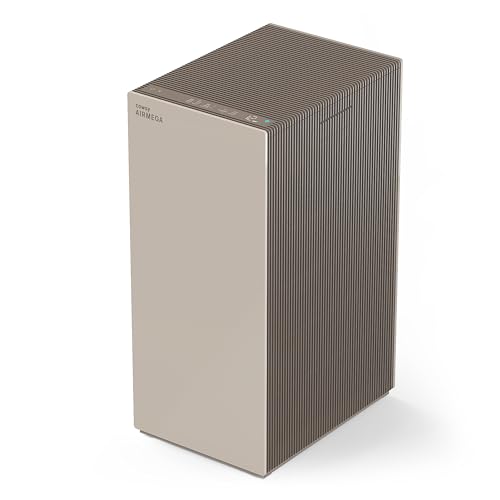 Coway ProX
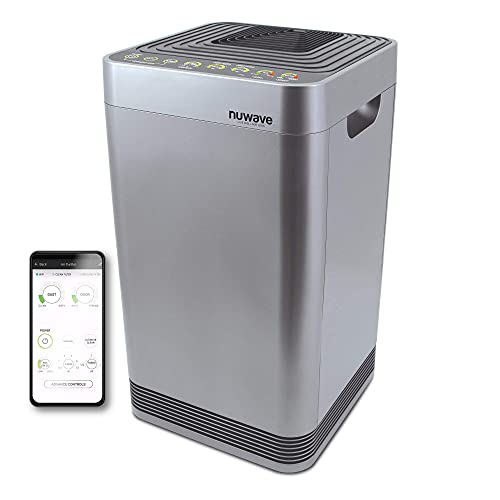 Nuwave OxyPure Smart Air Purifier
